CASE STUDY

Continuous Methane Monitoring: LNG Facility

Case_Study_LNG_Train_Featured_Image_2

Overview

A major LNG operator deployed MethaneTrack™ to provide continuous methane monitoring across a single LNG liquefaction train, improving visibility into fugitive methane emissions from critical process equipment. The deployment focused on compressors, valves, vessels, pumps, and associated process infrastructure where methane releases can occur during normal operations, maintenance activities, or unexpected equipment failures.

The objective was to improve operational awareness, support earlier identification and investigation of methane leaks than periodic LDAR inspections alone, and help reduce product loss through continuous methane monitoring across a critical section of the LNG facility.

About the Site

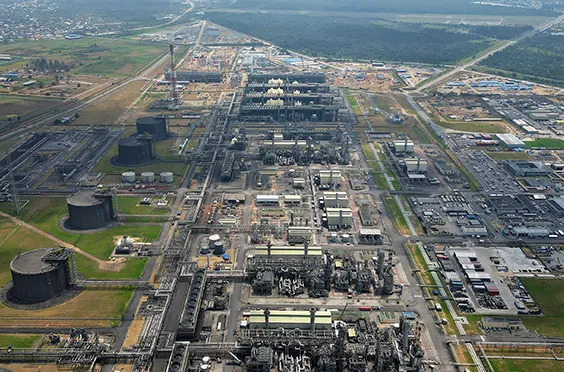
The customer operates one of the world’s largest liquefied natural gas (LNG) production facilities, where natural gas is compressed and cooled to approximately -260°F (-162°C), reducing its volume by roughly 600 times for efficient maritime transport.

Each LNG liquefaction train consists of compressors, heat exchangers, process vessels, piping, valves, pumps, and supporting equipment operating under extremely high pressures. Because even relatively small methane leaks can result in significant product loss under these operating conditions, maintaining visibility into fugitive emissions is essential for operational efficiency, environmental performance, and facility reliability.

To improve awareness of methane releases throughout the liquefaction process, the operator evaluated continuous methane monitoring across a single LNG train using MethaneTrack™.

Case_Study_LNG_Train_About_Site_Aerial_Pins

Customer

Major LNG Operator

Region

Nigeria

Installation Type

LNG Liquefaction Train

Product

MethaneTrack™

Asset Monitoring

Compressors, Process Vessels, Valves, Pumps, Process Piping, Process Vent Systems

Gas Type

Methane

Challenges

Traditional LDAR inspections are time-consuming, labor-intensive, and provide only a single point-in-time assessment of facility conditions. Methane leaks may develop between inspections, limiting operator visibility into emerging leak conditions and delaying investigation until the next scheduled survey.

Because LNG train compressors operate under extremely high pressures, even relatively small methane leaks can result in significant product loss if not identified and addressed promptly. Continuous awareness of fugitive emissions is therefore essential for maintaining operational efficiency while reducing unnecessary methane releases.

Key challenges included:
• Limited visibility between scheduled LDAR inspections
• Potential product loss associated with high-pressure methane leaks
• Numerous compressors, valves, vessels, pumps, and piping requiring monitoring
• Need for continuous methane monitoring between scheduled inspections

NevadaNano's Role

NevadaNano deployed MethaneTrack™ throughout a single LNG liquefaction train to provide continuous methane monitoring around equipment commonly associated with fugitive emissions.

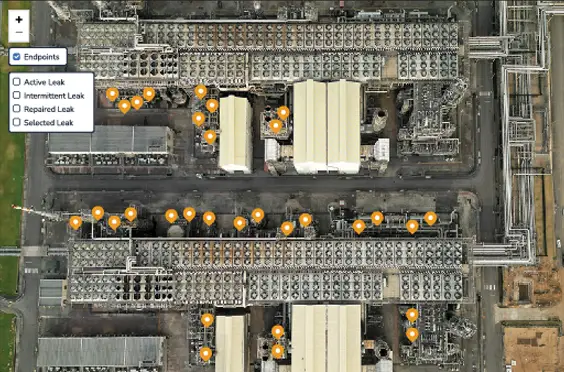
32 wireless monitoring endpoints were installed around compressors, process vessels, valves, pumps, piping, and ancillary LNG equipment to provide continuous visibility into methane emissions across critical assets. The deployment also evaluated monitoring opportunities around elevated vent locations to expand methane visibility beyond process equipment alone.

Process and Implementation

Case_Study_LNG_Train_Step_1_Install

1. Site Assessment and Monitoring Strategy

NevadaNano worked with facility personnel to identify critical equipment throughout a single LNG liquefaction train where fugitive methane emissions were most likely to occur. Monitoring locations were selected to maximize visibility around high-value process assets while supporting rapid identification of potential leak conditions.
Case_Study_LNG_Train_Endpoints

2. Asset-Level Deployment

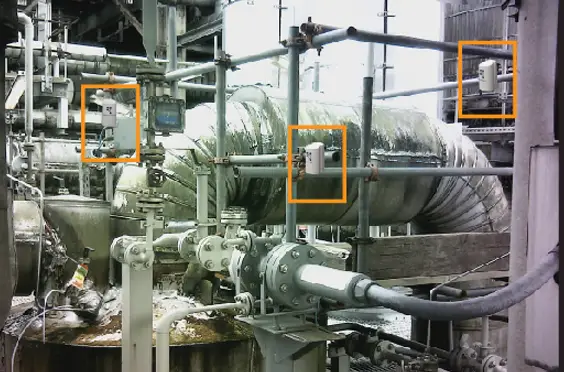
MethaneTrack™ endpoints were installed around compressors, valves, process vessels, pumps, piping, and other LNG process equipment to establish continuous methane monitoring throughout the liquefaction train.

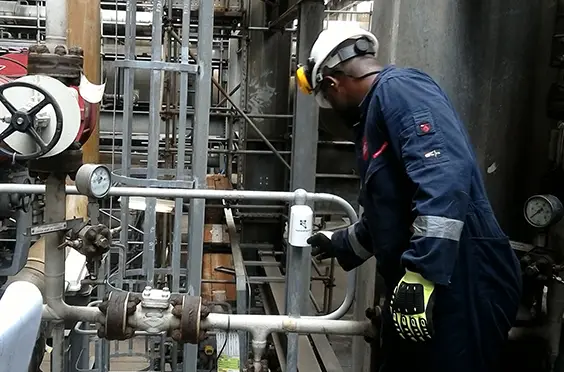
A total of 32 wireless monitoring endpoints were installed by a two-person team in approximately half a day, including deployment of the gateway and anemometer. The wireless architecture enabled rapid installation without any infrastructure modifications while expanding methane visibility across multiple equipment types.
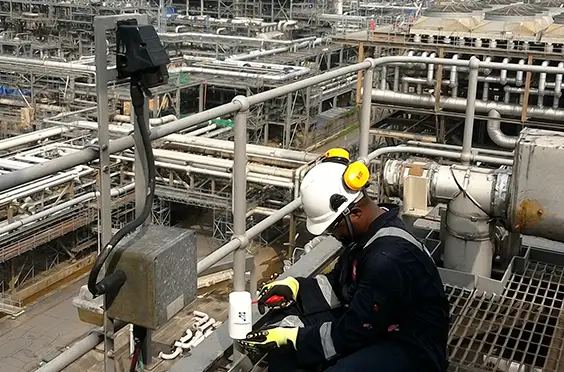
Case_Study_LNG_Train_Step_3_Install

3. Continuous Fugitive Emissions Monitoring

Once operational, MethaneTrack™ continuously monitored methane concentrations around critical process equipment, generating localized methane events that enabled facility personnel to prioritize targeted LDAR inspections.

Sensor placement was optimized to improve localization of methane releases while providing continuous operational visibility throughout the monitored LNG train.
Results and Impact

Following deployment, MethaneTrack™ continuously detected localized methane events across the monitored LNG liquefaction train. Facility personnel reviewed the detected events and used their existing LDAR inspection process to investigate the identified locations.

The investigation confirmed four methane leaks across multiple process assets, demonstrating MethaneTrack™’s ability to continuously detect and localize fugitive methane emissions in a complex LNG operating environment.

Despite the dense arrangement of compressors, heat exchangers, valves, piping, and other process equipment, MethaneTrack™ consistently narrowed leak locations to small search areas that enabled field personnel to efficiently perform targeted inspections using their standard maintenance procedures. Several confirmed leaks were located within approximately one meter of the monitoring endpoints, while others were identified farther from the sensors, depending on equipment layout and airflow conditions.

The deployment demonstrated that continuous monitoring can complement existing LDAR programs by providing ongoing visibility between scheduled inspections and directing maintenance teams toward specific areas requiring investigation. Rather than replacing established leak verification procedures, MethaneTrack™ reduced the search area, allowing personnel to focus inspections on likely leak locations before identifying and documenting the exact leaking component.

Related Case Studies

Landfill Emissions Monitoring: Gas Collection Optimization
Offshore Emissions Monitoring: Persian Gulf Platform
Compressor Station Emissions Monitoring: Permian Basin
Scroll to Top