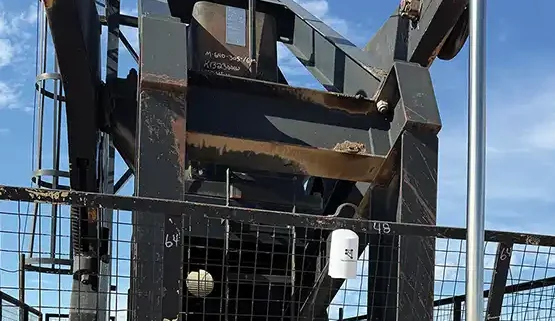
Upstream Production
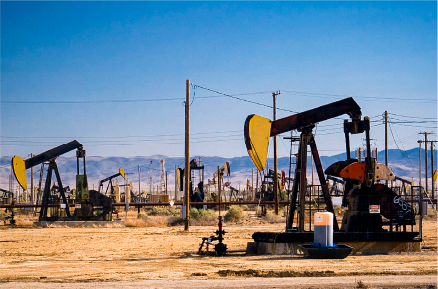
Why Upstream Oil & Gas Production Sites Require Emissions Monitoring
Upstream oil and gas production sites contain numerous potential methane emission sources, including wellheads, separators, storage tanks, pneumatic devices, and associated infrastructure. Because these assets are often distributed across large operating areas, leaks can persist undetected for extended periods, resulting in product loss, increased emissions, and operational inefficiencies.
Changing conditions, equipment degradation, and maintenance activities can all contribute to unexpected gas releases at upstream oil and gas production sites. A comprehensive detection strategy addresses this at two levels: continuous fixed monitoring provides the persistent, site-wide visibility needed for upstream production operations, while portable gas detection gives workers the tools to conduct walkarounds, investigate alarms, and confirm safe conditions during maintenance and inspection work.
Together, these approaches give upstream oil and gas operators the coverage needed to respond faster, protect personnel, support regulatory compliance, and drive long-term emissions reduction across upstream oil and gas production assets and facilities.
Emissions Monitoring Equipment for Upstream Oil and Gas Production

Emissions Monitoring System
MethaneTrack™ for Upstream Methane Emissions Monitoring

Flammable Gas Sensor
MPS™ Flammable Gas Sensor for Upstream Gas Detection

Extended Range Gas Sensor
MPS™ Extended Range Sensor for Upstream Production
Features
24/7 Continuous Monitoring
Real-Time Alerts
Precise Leak Localization
Emissions Quantification
.
Automated Reporting