CASE STUDY

Wellhead Emissions Monitoring: Bakken Formation

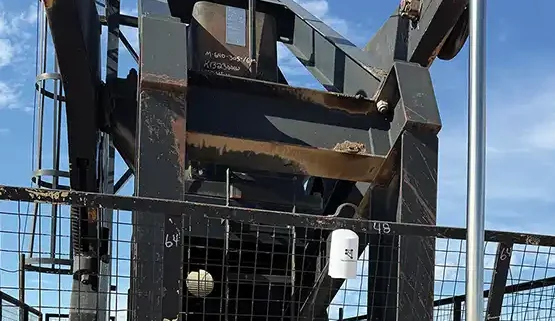
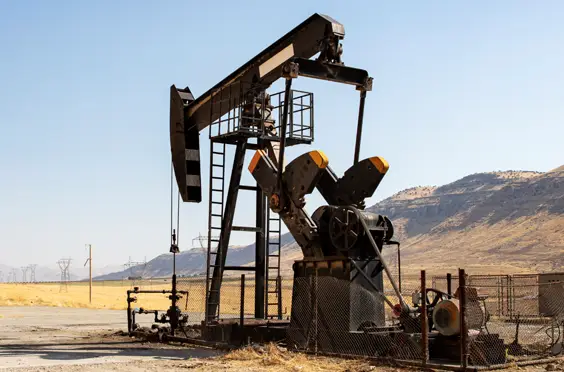
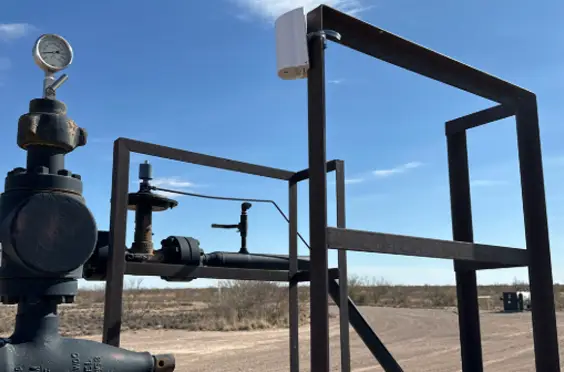
MethaneTrack™ endpoint mounted in close proximity to pump jack & well head

Overview

Wellheads represent some of the most widely distributed assets across upstream oil and gas operations. Unlike centralized facilities, these sites are dispersed across large geographic areas, often operating in remote and environmentally challenging conditions. While individual sites may appear small, their sheer number makes them a meaningful contributor to overall methane emissions.

Each well contains multiple potential emission points, including valves, fittings, seals, and interfaces where production equipment connects to the wellhead. In mechanically lifted systems such as pumpjacks, additional emission risk exists at the rod packing, where the reciprocating motion of the rod creates a dynamic seal that can release methane intermittently.

Emissions at well sites are often short in duration and highly variable, making them difficult to detect using periodic inspection methods. These transient events can dissipate quickly, leaving gaps in visibility and making it difficult for operators to understand when and why emissions occur.

About the Site

The deployment took place across unconventional wellhead locations in the Bakken Formation in North Dakota, one of the most significant oil-producing regions in the United States. These assets were spread across a wide geographic area, with each site operating independently and subject to varying environmental and operational conditions.

The region presents particularly challenging operating conditions, including extreme cold, high winds, and significant seasonal variability. For operators in this environment, monitoring solutions must not only detect emissions effectively but also maintain performance and uptime throughout the full annual cycle, including extended winter conditions.

Each site included typical upstream equipment such as wellheads and pumpjacks, along with naturally flowing “Christmas tree” wells. Across both configurations, emissions can occur at critical points near the wellhead, particularly around valves, fittings, and rod packing associated with pumpjack systems.

Case_Study_Wellheads_6_Pumpjack

Customer

Upstream Oil & Gas Operator

Region

Bakken Formation, North Dakota

Installation Type

Wellhead Production Sites

Product

MethaneTrack™

Asset Monitoring

Wellheads, Pumpjacks, Rod Packing, Flowline Interfaces

Gas Type

Methane

Challenges

Monitoring emissions across wellhead sites introduces several unique challenges. Large numbers of distributed well sites across broad geographic regions make consistent monitoring difficult and resource-intensive, particularly when emissions occur as short-duration transient events that can dissipate before periodic inspections or remote sensing systems detect them. In mechanically lifted wells, the reciprocating motion of pumpjack rods creates variable sealing conditions that can lead to intermittent emissions at the rod packing and wellhead interface.

Harsh operating environments, including extreme cold and high winds in regions such as the Bakken, further influence both emissions behavior and monitoring system performance. MethaneTrack™ is designed for continuous operation across extreme environmental conditions, with an operating temperature range of -40°F to 167°F (-40°C to +75°C). As a result, operators must evaluate not only whether a system can detect emissions, but whether it can operate reliably year-round without performance degradation in demanding field conditions.

NevadaNano's Role

NevadaNano deployed MethaneTrack™ to provide continuous methane monitoring at wellhead locations, with a focus on detecting emissions directly at the source. Endpoints were installed near key leak points, including rod packing on pumpjacks and critical interfaces on wellhead assemblies.

This close-proximity approach enables detection of short-duration and intermittent emissions that are often missed by traditional monitoring methods. By capturing emissions at the point of release, MethaneTrack™ provides higher-fidelity data on when and where leaks occur. This level of visibility is critical when trying to understand operational vs fugitive emissions.

In addition to detection capability, the system was designed to operate reliably in harsh environmental conditions, ensuring continuous performance across seasonal extremes with minimal maintenance requirements.

Process and Implementation

Case Study Wellheads 4

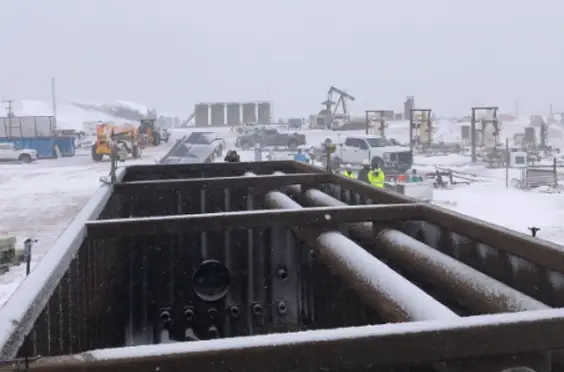
1. Pumpjack Methane Monitoring Configuration

Representative wellhead sites were selected across the asset network, covering both pumpjack and naturally flowing Christmas tree configurations.
Case Study Wellheads 2

2. Endpoint Placement (Close Proximity Focus)

Endpoints were installed near key emission sources, including:
• Rod packing on pumpjacks
• Wellhead valves and fittings
• Flowline interfaces
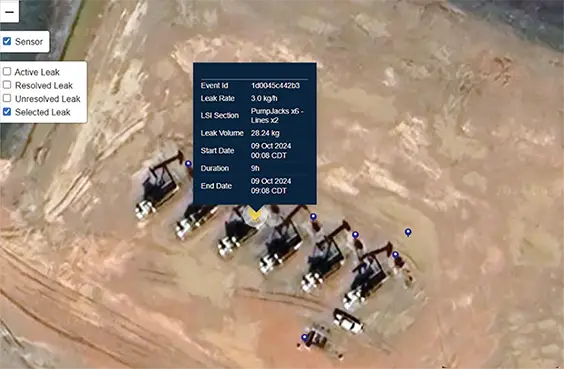
Emission details on MethaneTrack™ platform specifying location, volume, and duration of leak

3. Bakken Methane Monitoring Activation

Sensors began capturing real-time methane data, enabling detection of both steady-state and short-duration emission events.
Case Study Wellheads 1

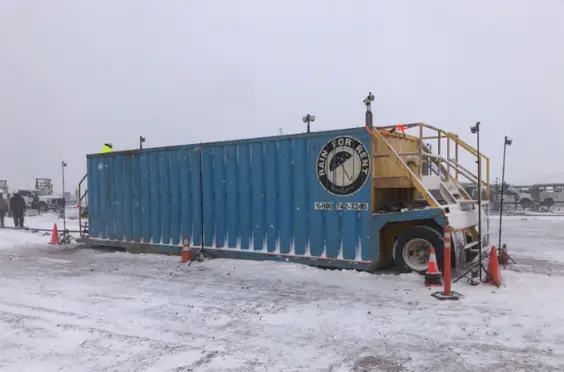
4. Environmental Performance Validation

System performance was evaluated under real-world operating conditions, including extreme cold and variable weather, ensuring consistent uptime and reliability.
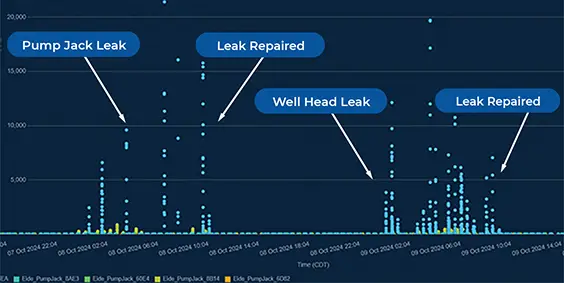
Real-time emission event data

5. Scalable Deployment Model

Once validated, the deployment approach can be replicated across additional well sites, enabling efficient scaling across distributed assets.
Results and Impact

The deployment demonstrated the value of continuous, close-proximity monitoring in capturing emissions behavior at wellhead and pumpjack sites. MethaneTrack™ enabled detection of short-duration and intermittent emission events within minutes of occurrence, many of which would likely be missed under traditional LDAR programs.

Because the sites were remote and personnel presence varied throughout operations, continuous monitoring also gave the customer a clearer understanding of how emissions correlated with on-site activities and maintenance work. This allowed operators to distinguish operational emissions from potential fugitive leaks and better contextualize events occurring at individual assets.

By linking emissions data with work activity and personnel presence, the system helped reduce unnecessary event chasing and alarm fatigue while improving maintenance efficiency. Teams could better prioritize site visits, focus on assets most in need of attention, and verify that emissions associated with specific equipment or maintenance activities had been properly addressed following completed work.

The deployment also provided high-fidelity historical emissions data that supported more effective root cause analysis and improved understanding of emissions behavior over time. In addition, the system demonstrated reliable continuous operation across harsh field conditions, including seasonal variability and extreme temperatures, reinforcing its suitability for deployment in regions such as the Bakken.

Related Case Studies

Landfill Emissions Monitoring: Gas Collection Optimization
Offshore Emissions Monitoring: Persian Gulf Platform
Compressor Station Emissions Monitoring: Permian Basin
Scroll to Top