CASE STUDY
Landfill Emissions Monitoring: Gas Collection Optimization
Overview
A landfill operation in upstate New York sought to improve methane gas collection efficiency across its site. While an existing well system captured and utilized landfill gas for energy production and resale, operators lacked visibility into where methane was escaping across the landfill surface.
To address this, MethaneTrack™ was deployed in a pilot configuration to monitor emissions at wellheads and across targeted areas of the landfill. The goal was to provide actionable insight into methane distribution, enabling operators to better understand gas movement across the site, identify areas of inefficiency, and support optimization of the existing gas collection system.
About the Site
The site is an active landfill equipped with a network of gas collection wells designed to extract methane generated from decomposing waste. Captured gas is either sold as biogas or used onsite to support cogeneration operations, helping offset energy costs and improve overall landfill efficiency.
The landfill includes multiple active and legacy areas with varying terrain, operating conditions, and stages of waste decomposition. Wells are drilled into waste cells and connected to a centralized vacuum-based collection system that serves as the backbone of the site’s gas capture infrastructure.
However, methane generation across a landfill is highly dynamic and uneven. While existing systems provide measurements within closed pipe networks, large portions of the landfill surface remain unmonitored. This creates an incomplete view of how methane is generated, moves, and escapes across different areas of the site, making it difficult to consistently optimize gas extraction performance.
To improve visibility into emissions behavior and collection efficiency, monitoring needed to extend beyond pipe-based infrastructure and provide continuous insight across the broader landfill environment.
Customer
Region
Installation Type
Product
Asset Monitoring
Gas Type
Challenges
Traditional landfill monitoring relies heavily on measurements taken within closed gas collection systems, where sensors are installed directly in pipes and extraction infrastructure. While effective for tracking controlled gas flow, this approach leaves significant gaps in visibility across the landfill surface.
Emissions occurring outside of these systems often remain unmeasured, making it difficult to determine where methane is escaping and where collection efficiency may be underperforming. As a result, operators are frequently limited to reactive adjustments rather than informed, data-driven optimization strategies.
Key challenges included:
• Limited visibility outside of pipe-based measurement systems
• Difficulty identifying where gas capture performance could be improved
• Lack of continuous, site-wide emissions visibility across the landfill surface
• Limited data available to support proactive optimization decisions
Addressing these gaps required a shift from isolated infrastructure measurements toward a broader continuous monitoring approach capable of capturing emissions behavior across the site.
NevadaNano's Role
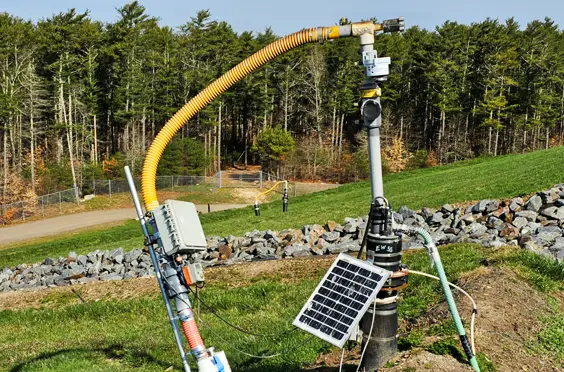
NevadaNano deployed MethaneTrack™ to provide continuous, close-proximity monitoring of methane emissions across targeted landfill areas and existing gas collection infrastructure.
By placing endpoints directly at wellheads and across selected monitoring zones, the system enabled operators to:
• Detect methane escaping at the landfill surface
• Identify high-emission areas in real time
• Correlate emissions behavior with collection system performance
• Support more informed adjustments to gas extraction strategies
This approach extended visibility beyond traditional wellhead measurements, helping create a more complete understanding of methane behavior across the landfill environment.
Process and Implementation

1. Site Assessment and Targeted Deployment
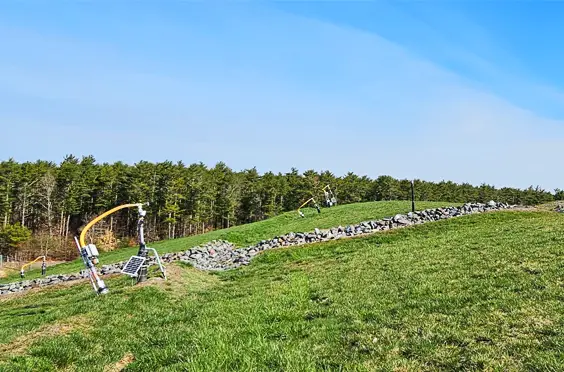
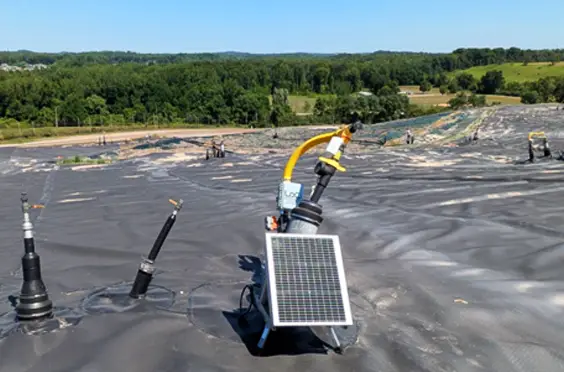
A defined portion of the landfill was selected for pilot deployment, with MethaneTrack™ endpoints installed on existing wellheads and throughout targeted monitoring areas. This aligned monitoring coverage with the site’s gas collection infrastructure while expanding visibility into methane behavior across the landfill surface.
2. Establishing Baseline Monitoring Conditions
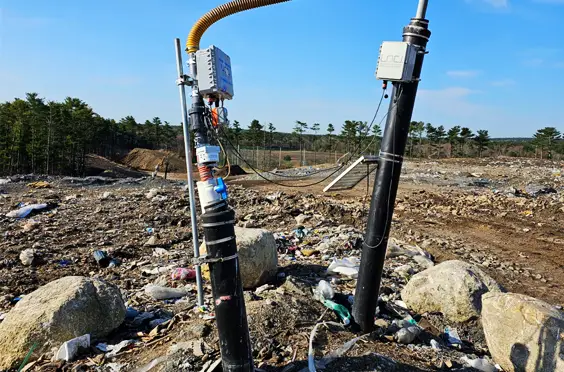
Existing gas collection data from the landfill’s pipe-based monitoring system was used as a baseline for comparison. While this infrastructure provided visibility into controlled gas flow within the collection network, it did not capture emissions occurring outside the system across the broader landfill environment.
The deployment extended monitoring beyond fixed infrastructure, enabling operators to compare internal collection measurements with real-time surface emissions visibility.
3. Landfill Surface Emissions Monitoring
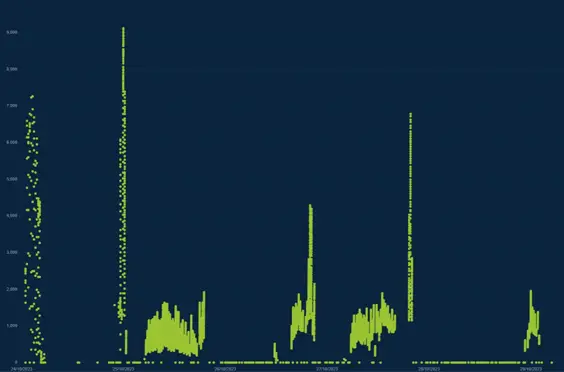
Once operational, MethaneTrack™ continuously monitored methane activity across the landfill surface and surrounding wellhead areas. Continuous monitoring enabled detection of emissions patterns, localized methane activity, and variations in gas behavior that would likely remain undetected through periodic inspections or pipe-based measurements alone.
Approximately 50 monitoring endpoints were deployed throughout the selected landfill area to support broad site visibility and continuous data collection.
4. Data-Driven Collection System Optimization
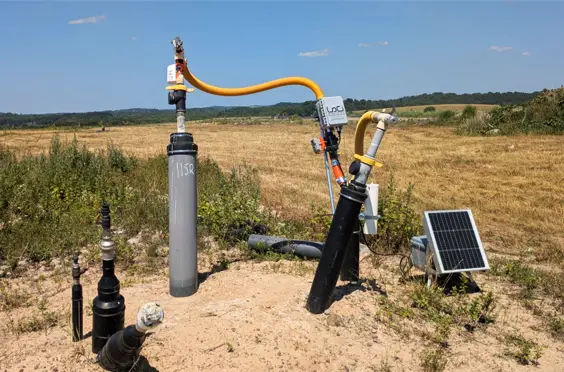
Insights generated through continuous monitoring helped identify areas where gas collection performance could potentially be improved. By correlating emissions behavior with collection infrastructure activity, operators gained additional visibility into how methane moved across the landfill and where adjustments to extraction strategies may improve overall system efficiency.
Results and Impact
The deployment expanded methane visibility beyond traditional landfill gas collection infrastructure, providing operators with a broader understanding of emissions activity across active landfill areas.
By continuously monitoring emissions at wellheads and across the landfill surface, MethaneTrack™ helped identify localized methane activity and emissions patterns that would likely be difficult to capture through pipe-based measurements or periodic inspection methods alone. This additional insight gave operators a clearer picture of how methane generation and collection performance varied across different sections of the site.
Continuous monitoring data also supported more informed operational decision-making. By correlating surface emissions activity with gas collection system performance, operators gained additional insight into where extraction strategies and collection efficiency could potentially be improved.
The project further highlighted the role continuous monitoring can play within landfill operations beyond traditional compliance-focused applications. Continuous emissions data provided a foundation for a more proactive and data-driven approach to landfill gas management, helping operators better evaluate methane behavior across a complex and evolving landfill environment.
As the deployment continues, ongoing analysis is expected to provide additional insight into long-term gas collection performance, methane distribution trends, and opportunities for further optimization across the site.