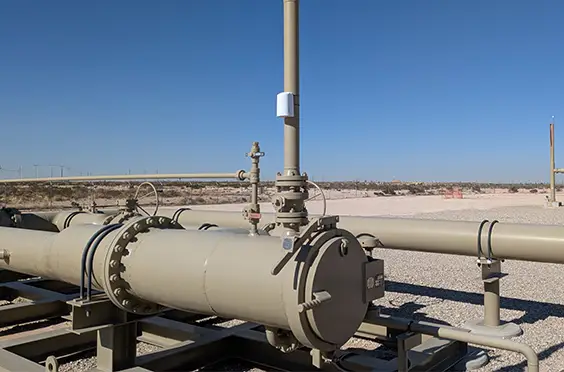
CASE STUDY

Compressor Station Emissions Monitoring: Permian Basin

Red Hill Case Study Featured Image

Overview

The Red Hills area in Lea County, New Mexico, is a highly active oil and gas drilling region located on the northern margin of the Delaware Basin, part of the prolific Permian Basin. The area is known for significant, high-volume production, contributing to New Mexico’s status as a top energy producer.

Within Red Hill, a large natural gas compressor station required better visibility into site-wide emission including compressor-related emissions from difficult to measure high vents including methane slip and intermittent leaks tied to packing rods and venting.

The site was selected for a MethaneTrack™ deployment because it had been repeatedly flagged by aerial surveys, and the operator wanted to move from reactive investigation to proactive, continuous awareness. MethaneTrack™ was deployed to provide Close-Proximity Continuous Monitoring (CPCM™), giving the operator 24/7 detection near key leak points, plus leak event insight that supports faster diagnosis, maintenance prioritization, and mitigates any future compliance infringements.

About the Site

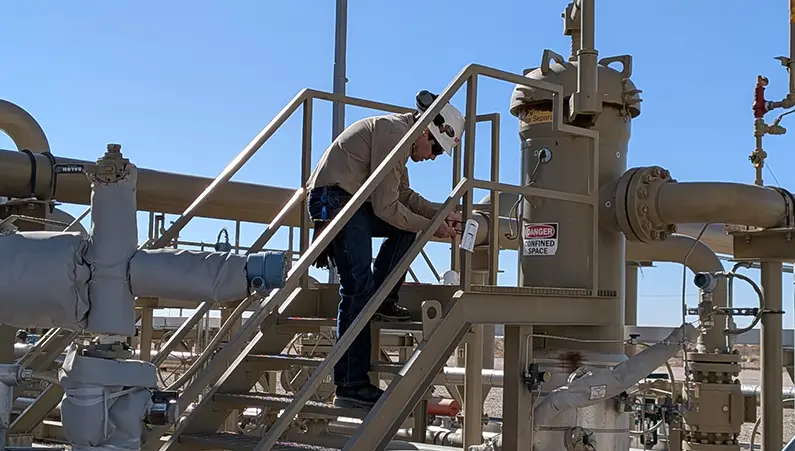
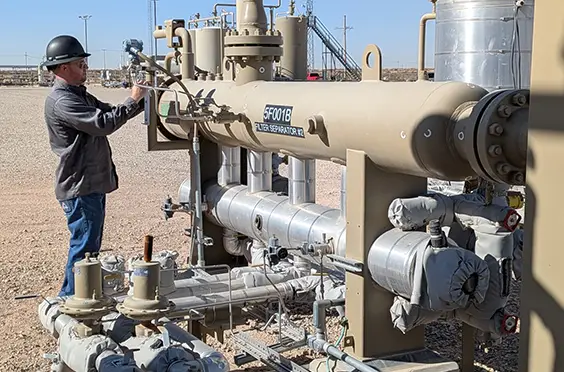
The Red Hill station is a complex, equipment-dense facility with ten compressors operating across a large footprint, along with common leak-prone equipment such as tanks, separators, a vapor recovery unit (VRU), and specific compressor vents. A major challenge at compressor stations like Red Hill is that compressor venting behavior can be intermittent and difficult to trace, especially when multiple compressors route to shared vent infrastructure. The operator had already installed camera coverage to support broad site visibility, but cameras cannot see every leak source or capture every short-duration event. Red Hill needed close-proximity detection in areas that are difficult to capture using optical systems or periodic surveys alone.

Case Study - Red Hill Compressors Main

Customer

Midstream Oil & Gas Operator

Region

Lea County, New Mexico

Installation Type

Compressor Station

Product

MethaneTrack™

Asset Monitoring

Compressors, Vent Stacks, VRUs, Compressor Venting Infrastructure

Gas Type

Methane

Challenges

  • Compressor stations contain many potential leak sources that can vary by equipment condition and operating mode
  • Packing rod and vent-related emissions can be intermittent and short in duration, making them easy to miss with periodic methods
  • Aerial flyovers and periodic surveys can flag emissions without providing enough granularity to identify the cause
  • Camera systems can provide wide-area coverage but may miss emissions in blind spots or when conditions are not favorable
  • Shared venting to a station stack can obscure which compressor is responsible, forcing time-consuming investigation
  • Operators need more than single event detection to better understand the pattern of emissions across various equipment to make informed maintenance decisions

NevadaNano's Role

In a few hours, the operator deployed 46 wireless emission sensor Endpoints as a Close-Proximity Continuous Monitoring™ layer to complement wide-area monitoring tools. Endpoints were placed near key leak points, including compressor bodies, vent lines, and the compressor station stack. The objective was to give the operator continuous, actionable emissions insight, including the ability to track events over time and focus attention on problem areas that had previously been difficult to observe.

MethaneTrack™ also supported operational practicality. The system’s flexible deployment approach made it possible to cover a large compressor site quickly without heavy infrastructure, and the wireless endpoints could be positioned or repositioned to target the locations the operator cared about most.

Process and Implementation

Case Study Red Hill Compressors 2

1. Targeted Endpoint Placement

During installation, NevadaNano worked with emissions and operations personnel to identify the area’s most likely to drive meaningful insight. Wireless endpoints were deployed in repeatable configurations around compressors to capture general leakage, with additional coverage added at known problem points, including equipment like the VRU and other leak-prone areas the operator highlighted onsite.
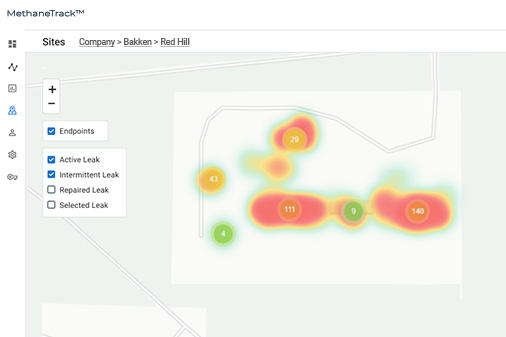
Red Hill Site Emissions Map

2. Close-Proximity Continuous Monitoring™ (CPCM™)
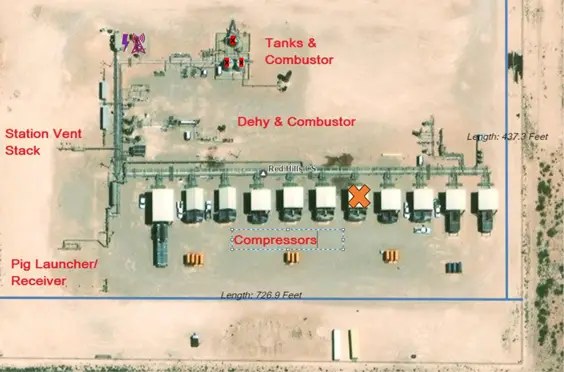
A key focus was monitoring compressor leak behavior, including vents associated with packing rod failures and methane slip. Unlike systems that detect from a distance, MethaneTrack™ wireless endpoints can be mounted near venting sources, enabling detection of short, intermittent releases that may occur for minutes, seconds, or hours. This approach is particularly valuable at compressor stations where emissions can be time-dependent and difficult to validate through periodic observation.

Case_Study_Red_Hill_Compressors_Aerial

3. Intermittent Compressor Emissions Detection
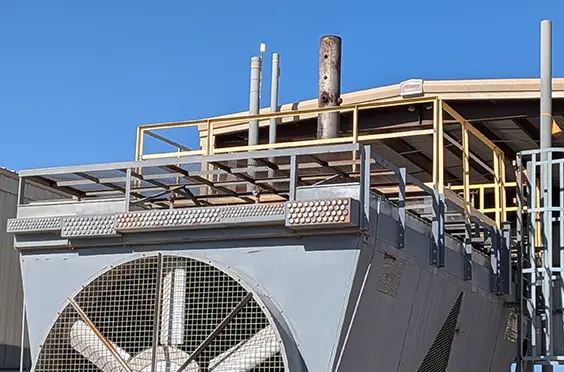
Red Hill included a station stack that serves as a major emissions source and a frequent driver of aerial detections. 80% of the compressors route to a common header that vents through this stack, making it difficult to determine which compressor is responsible when emissions are observed. The team deployed wireless endpoints to capture station stack behavior directly, creating a new level of visibility into how often events occur and how long they persist, which helps operators move from “we were flagged” to “we can see what is happening and when.”

Case Study - Red Hill Compressors 4

4. Wireless Deployment and Operational Flexibility
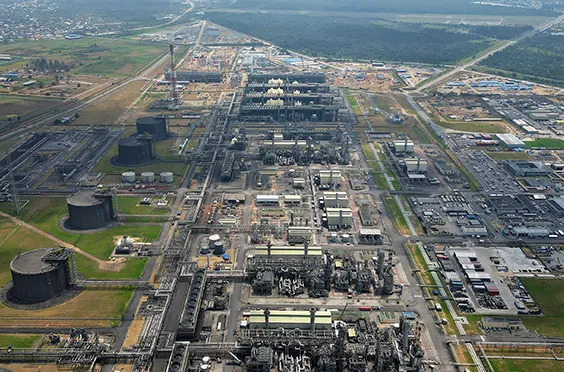
The deployment included 46 wireless endpoints, one LoRa gateway, and one anemometer supporting accurate Leak Source Isolation™ (LSI™) emissions analysis. Because MethaneTrack™ communicates using lightweight data packets rather than high-bandwidth video streams, the system operated with lower ongoing data requirements and minimal network infrastructure.

The system was installed in less than half a day using simple field-ready mounting methods such as hose clamps to existing infrastructure. Wireless endpoints could also be repositioned over time as new emissions areas were identified, allowing the operator to adapt monitoring coverage without redesigning the system.

Results and Impact

With MethaneTrack™ now live at Red Hill, the operator has continuous emissions visibility at a level not typically achievable through periodic surveys or wide-area optical systems. Early results show clear, repeatable emissions events at the station stack, visible through high-resolution LSI™ data collected continuously. These events vary in duration and timing, including short-duration releases that can occur overnight or outside of survey windows, when other methods may be less effective. This level of detail has started to give the operator a clearer picture of when emissions occur, how long they persist, and how frequently they repeat.

Together, these early observations translate into practical operational benefits delivered by MethaneTrack™, including:

  • 24/7 close-proximity monitoring across a large number of compressors and vent locations
  • Improved insight into emissions behavior through event rate, duration, and frequency tracking
  • Strong coverage of known problem points, including station stack and vent-related sources
  • Faster path to diagnosis by segmenting monitoring into areas (per compressor and station stack)
  • A scalable approach that can be adapted as the operator learns more about site-specific emissions
  • Reduced reliance on costly, infrastructure-heavy monitoring systems for baseline emissions awareness

Beyond Gas-Driven Compressors

The Red Hill deployment demonstrates the value of MethaneTrack™ at gas-driven compressor stations where methane slip is a known challenge. At electrically powered compressor stations in the Bakken Basin, methane slip is not a factor, however intermittent vent and packing rod leaks remain difficult to detect, particularly inside winterized enclosures. In these environments, MethaneTrack™’s close-proximity monitoring provides continuous coverage where cameras and fenceline systems fall short, underscoring the system’s adaptability across compressor designs, climates, and operational constraints. This allows operators to maintain consistent emissions visibility even as equipment types, power sources, and site conditions change.

Related Case Studies

Landfill Emissions Monitoring: Gas Collection Optimization
Offshore Emissions Monitoring: Persian Gulf Platform
Abandoned Well Methane Monitoring: Ontario, Canada
Scroll to Top