A MEMS-based sensing platform that measures the molecular properties of gases to deliver accurate, stable, multi-gas detection — without field calibration.
A Generational Leap in Sensing Technology
Highly robust hardware with accurate, multi-gas detection capabilities.
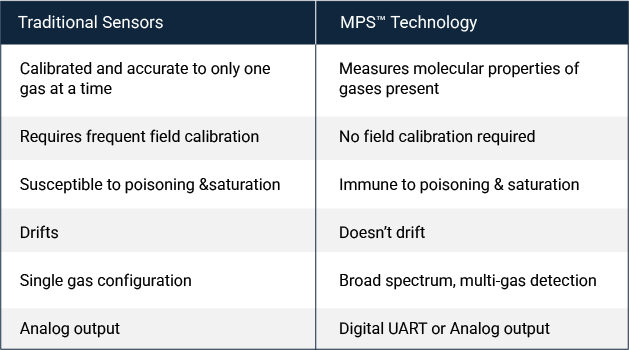
Traditional gas sensors measure a chemical reaction to a specific target gas. This approach works, but it comes with fundamental limitations: sensors drift over time, can be poisoned by certain chemicals, require regular calibration, and must be pre-configured for a specific gas. If the gas type changes, accuracy suffers.
The MPS™ takes a fundamentally different approach. Rather than reacting to a specific gas, it measures the thermodynamic molecular properties of whatever gas is present — enabling it to identify, classify, and accurately measure a broad range of gases using a single platform, without calibration.
How It Works
Precision measurement at the molecular level.
The MPS™ measures the thermodynamic properties of the air/gas mixture present in the sensor chamber. The energy required to heat the gas sample, combined with real-time environmental data, allows the sensor to calculate gas concentration, classify the gas type, and compensate for environmental conditions – all at the point of detection.
Step 1 – Diffusion Gas rapidly diffuses through the sensor’s mesh screen and into the sensor chamber, where it enters the MEMS sensor module.
Step 2 – Heating A joule heater rapidly heats the hot plate, exposing the gas sample to a precise thermal stimulus.
Step 3 – Environmental Measurement An integrated environmental sensor simultaneously measures real-time temperature, pressure, and humidity conditions.
Step 4 – Energy Measurement A resistance thermometer precisely measures the energy required to heat the gas sample – the core thermodynamic measurement that varies by gas type and concentration.
Step 5 – Calculation and Output Proprietary onboard algorithms combine the thermal measurement with environmental data to calculate gas concentration, apply gas classification, compensate for environmental conditions, and output a corrected %LEL reading to the gas detector.
Proven Performance
Highly robust hardware with accurate, multi-gas detection capabilities.
The MPS™ is engineered for long-term reliability in demanding industrial environments. Unlike catalytic bead sensors that degrade over time and require quarterly calibration to maintain accuracy, the MPS™ maintains consistent performance across its entire operational life — with no service requirements.
No required field calibration
No poisoning, saturation, or drift
15-year sensor life
Built-in-Self-Test (BIST)
Real-World Validation: 9 Years and Counting
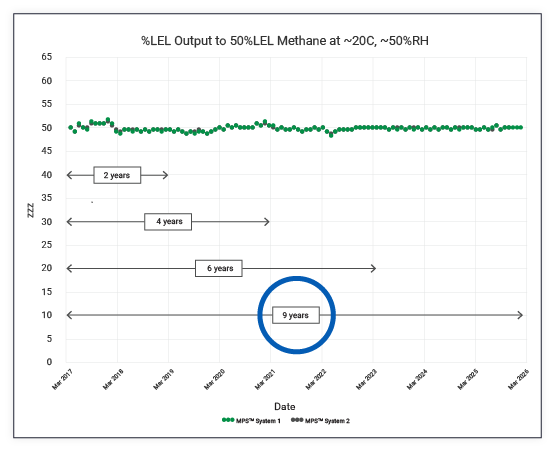
When it comes to reliability, nothing speaks louder than long-term data. In early 2017, NevadaNano manufactured and factory-calibrated a batch of its MPS™ Flammable Gas Sensors. Each month, the sensors are exposed to 50% %LEL methane to verify performance. These sensors have now been running continuously for 9 years without a single recalibration. Throughout this time:
Accuracy has remained within specifications
No drift or deterioration has been observed
Sensor performance remains unaffected by exposure to flammable gases
Accurate %LEL readings for a broad range of gases with a single calibration.
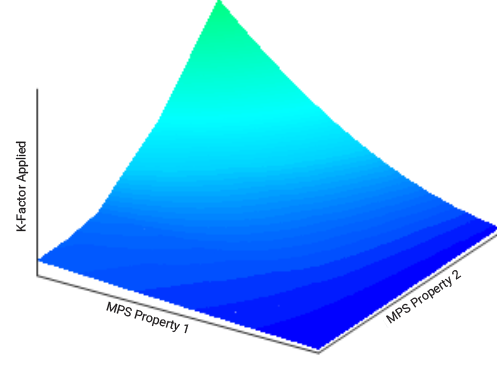
Legacy flammable gas sensors (Pellistor/NDIR) require operators to know which gas is present and to calibrate the device specifically to that gas. During calibration, the detector assigns a single gas sensitivity factor (k-factor) that makes the sensor accurate for only that one target gas. If a site gas composition changes or a mixture is present, the k-factor becomes inaccurate and reported concentrations can be dangerously wrong.
TrueLEL™ eliminates this problem. The MPS™ sensor will dynamically change the k-factor in real time based on the detected gas or gas mixture. This means with the single factory calibration, the sensor will be accurate without the user having to recalibrate or select a new gas k-factor manually, enabling reliable %LEL measurement even as gas composition changes.
NevadaNano designates gases as TrueLEL™ Certified when they have been fully validated to deliver high-accuracy %LEL measurements across all rated environmental conditions.
Know what gas is present, not just that gas is present.
The MPS™ doesn’t just measure gas concentration — it identifies the category of gas detected. This capability, unique to the MPS™ platform, gives operators and safety systems deeper situational awareness and supports faster, more informed decision-making in the event of a gas detection event.
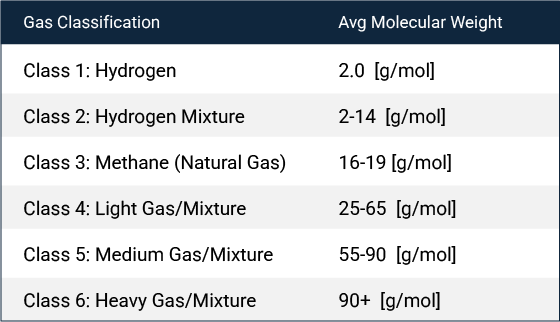
The sensor classifies detected gases into one of six categories based on the molecular weights and densities of the gases present, and reports this classification in real time via digital UART output — enabling host systems to display, log, or act on gas type information alongside concentration data.
The MPS™ platform has been independently tested and certified to the highest international safety and performance standards, enabling deployment in the most demanding and potentially hazardous environments worldwide.
Intrinsic Safety: ATEX Zone 0, IECEx Class 1 Div 1, FM, CSA
Performance Standard: EN 50271 compliant
Quality Standard: ISO 9001 certified manufacturing
The MPS™ sensing platform powers a family of products designed for specific gas detection applications. All products share the same proven MEMS hardware and firmware architecture — delivering consistent, reliable performance across the range.
MPS™ Flammable Gas Sensor
Detects a broad spectrum of combustible gases and mixtures — with TrueLEL™ certified accuracy for the most common flammable gases.