1. Hydrogen Production Facility Monitoring Deployment
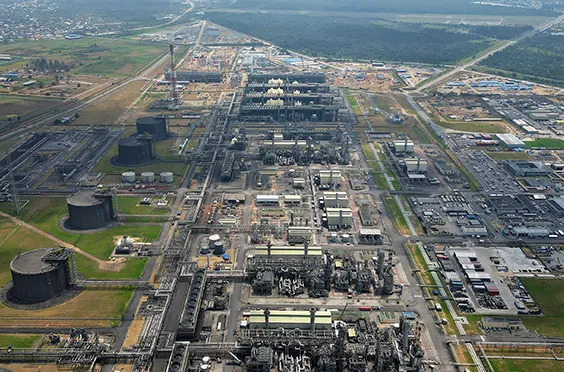
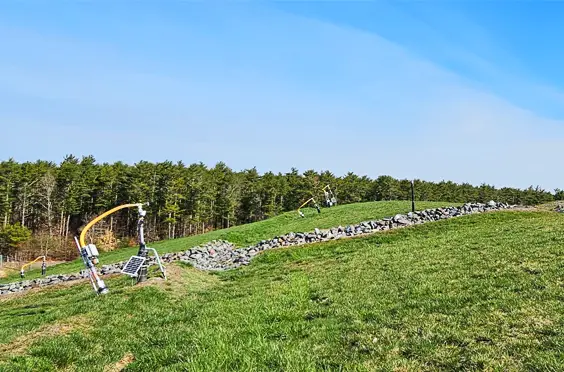
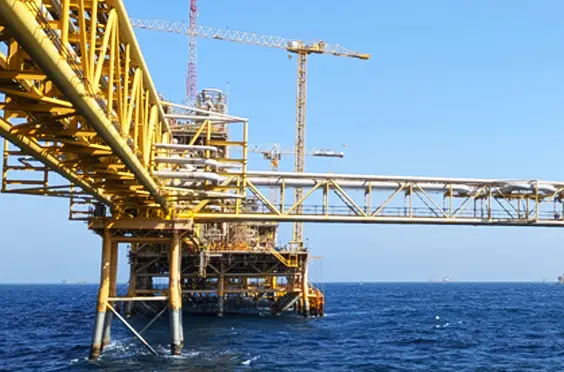
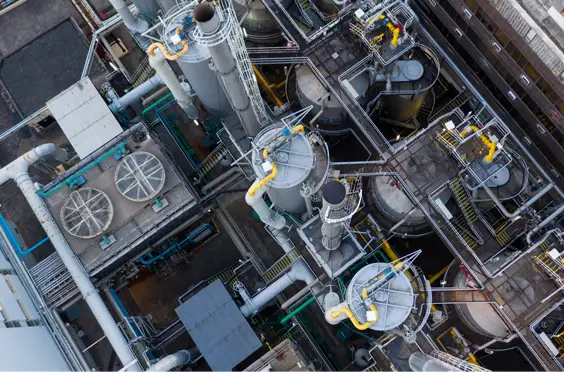
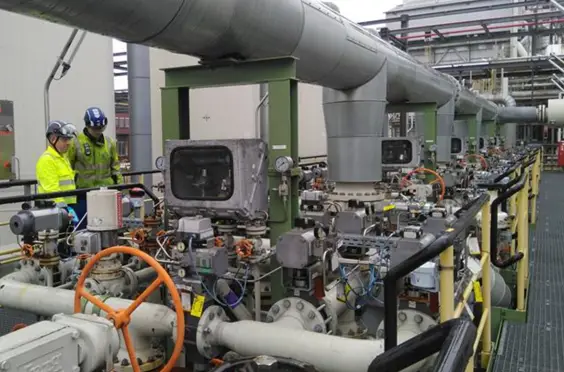
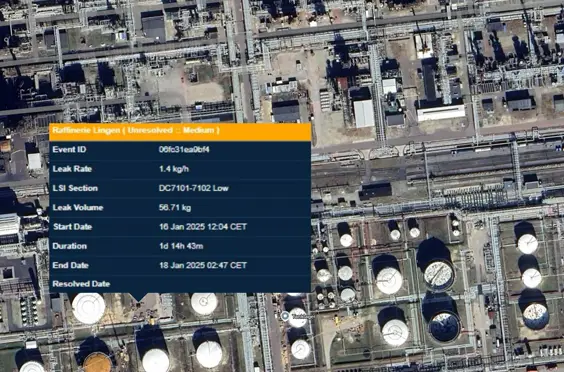
EmissionsTrack™ endpoints were deployed across four monitoring sections spanning three primary areas of the hydrogen production facility. Installation locations focused on equipment and infrastructure most susceptible to hydrogen emissions, including production piping, valves, actuators, tank tops and bottoms, relief lines, and vertical stacks.
The deployment utilized a wireless LoRa-based communications architecture consisting of 20 battery-operated endpoints, a centralized gateway, and a LoRa-connected anemometer, enabling rapid installation with minimal disruption to operations.
2. Continuous Monitoring and Emissions Analysis
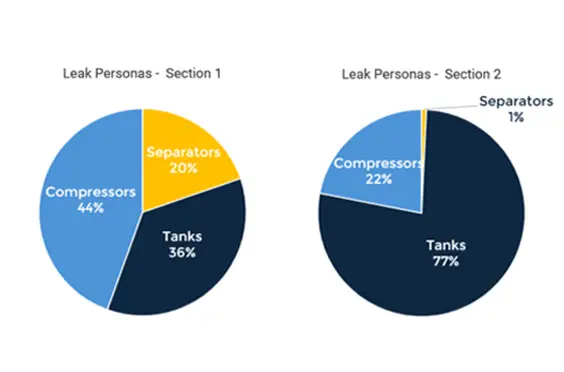
Once operational, the system continuously monitored hydrogen (H₂), methane (CH₄), and H₂/CH₄ blends in real time, enabling ongoing detection and quantification of emissions events across the facility. Over the course of the deployment, the system tracked emissions behavior across multiple equipment categories, allowing operators to compare leak frequency, duration, and emissions contribution under varying operational conditions. This analysis helped identify distinct leak personas across compressors, tanks, separators, valves, and other infrastructure, providing deeper insight into where emissions originated and how leak behavior varied between asset types.
The deployment also supported comparison between measured field data and Computational Fluid Dynamics (CFD) gas leak modeling results, providing additional insight into emissions behavior across complex refinery infrastructure.
3. Long-Duration Leak Visibility and Operational Insight
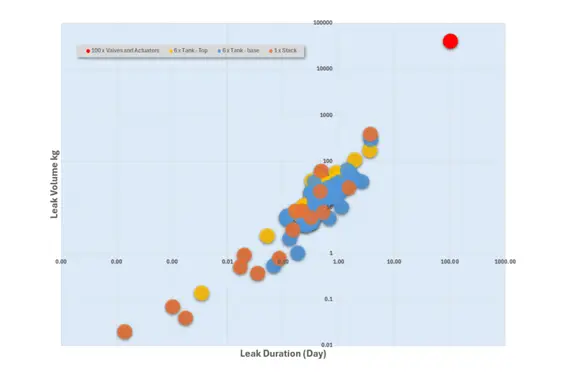
The deployment demonstrated the value of continuous monitoring for identifying persistent emissions events that may otherwise remain undetected under periodic inspection programs, including one leak that persisted for more than 100 days.
By providing continuous visibility into emissions behavior across the facility, EmissionsTrack™ enabled more targeted maintenance planning and improved LDAR efficiency. Operators were able to prioritize high-impact assets, better understand emissions drivers, and make more informed decisions regarding maintenance, equipment replacement, and long-term leak mitigation strategies.