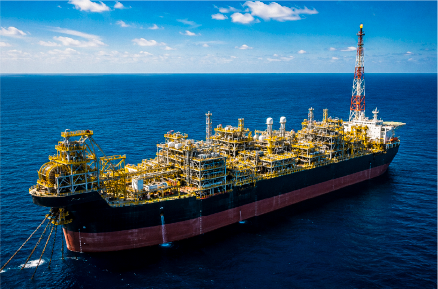
NevadaNano supports offshore oil and gas operations by helping operators improve emissions visibility across FPSO assets, offshore oil and gas platforms, and other critical offshore infrastructure.
Why Offshore Oil and Gas Operations Require Emissions Monitoring
Offshore oil and gas facilities operate in some of the world’s most demanding environments, where equipment reliability, safety, and operational efficiency are critical. Hydrocarbon emissions can originate from processing equipment, vent systems, valves, compressors, storage systems, and other infrastructure throughout an FPSO vessel or offshore production facility.
Due to the remote nature of offshore operations, identifying and responding to emission events can be more challenging than at onshore sites. Undetected emissions can increase environmental impact, contribute to product loss, and create operational concerns. Emissions monitoring provides real-time visibility into facility performance, helping operators detect issues earlier, improve response times, and support safe and efficient operations.
For operators managing FPSO assets and offshore oil and gas platforms, continuous monitoring helps maintain awareness of emissions sources across complex offshore infrastructure while supporting environmental performance and operational reliability. By delivering continuous methane monitoring across remote offshore facilities, operators gain actionable insights that help reduce emissions, improve safety, and optimize offshore production operations.
Emissions Monitoring Equipment for Offshore Oil and Gas Operations
Emissions Monitoring System
MethaneTrack™ for Offshore Oil & Gas Operations
MethaneTrack™ provides continuous methane emissions monitoring across offshore oil and gas facilities, helping operators quickly identify emission events, improve emissions visibility, and support environmental compliance efforts in challenging offshore environments.
MPS™ Flammable Gas Sensor for Offshore Gas Detection
MPS™ Flammable Gas Sensors deliver reliable methane detection with TrueLEL™ accuracy and no calibration required. The sensor enables flammable gas detector devices that help improve safety and operational awareness at oil and gas sites.
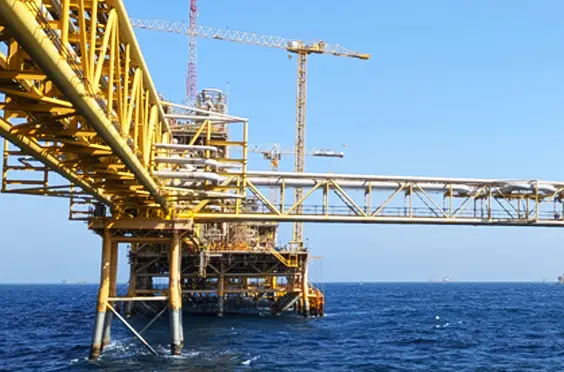
Offshore Emissions Monitoring: Persian Gulf Platform
MethaneTrack™ provided continuous monitoring of emissions on a Persian Gulf offshore platform, helping operators improve emissions visibility with real-time detection of methane releases across critical offshore infrastructure.