
CASE STUDY

Hydrogen Integration Monitoring: National Gas FutureGrid

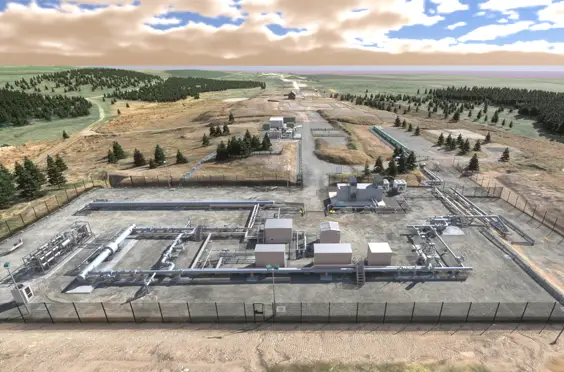
Case Study National Gas FutureGrid 1 Site Overview Aerial

Overview

As hydrogen becomes an increasingly important component of future energy infrastructure, operators face new challenges in monitoring emissions across evolving gas networks. National Gas partnered with NevadaNano to deploy EmissionsTrack™ at the FutureGrid test facility to evaluate continuous emissions monitoring across hydrogen, methane, and blended gas environments.

The deployment aimed to support ongoing hydrogen integration efforts by providing continuous detection, localization, and quantification of emissions across transmission-style infrastructure operating under varying gas compositions and operating conditions.

About the Site

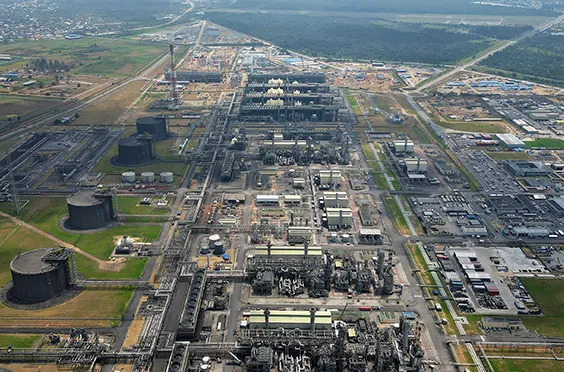
The deployment took place at FutureGrid, National Gas’s dedicated hydrogen research and testing facility in the United Kingdom. Built using decommissioned transmission assets, FutureGrid was designed to evaluate how existing natural gas infrastructure can support the transition toward hydrogen-integrated energy systems.

The site included above-ground transmission infrastructure, compressors, valves, piping, and other transmission-related equipment supporting evaluation of hydrogen and methane blend scenarios. These environments provided a realistic testing platform for understanding emissions behavior across both existing natural gas systems and infrastructure being evaluated for future hydrogen integration.

The project formed part of broader efforts to assess operational readiness, emissions visibility, and infrastructure adaptability as hydrogen integration continues to expand across the energy sector.

FutureGrid Layout

Customer

Gas Transmission Operator

Region

United Kingdom

Installation Type

Hydrogen Research & Testing Facility

Product

EmissionsTrack™

Asset Monitoring

Transmission Piping, Compressors, Valves, Transmission Infrastructure

Gas Type

Hydrogen, Methane

Challenges

Monitoring hydrogen and blended gas environments introduces several unique challenges:

• Detecting hydrogen, methane, and blended gas emissions continuously across changing operating conditions
• Quantifying emissions accurately as gas compositions vary over time
• Localizing emissions across large-scale transmission-style infrastructure
• Supporting future hydrogen integration using existing infrastructure environments
• Maintaining reliable monitoring performance across complex outdoor industrial conditions

Because hydrogen behaves differently from methane under varying environmental and operational conditions, operators require continuous, high-resolution monitoring capable of delivering actionable emissions insight in real time.

NevadaNano's Role

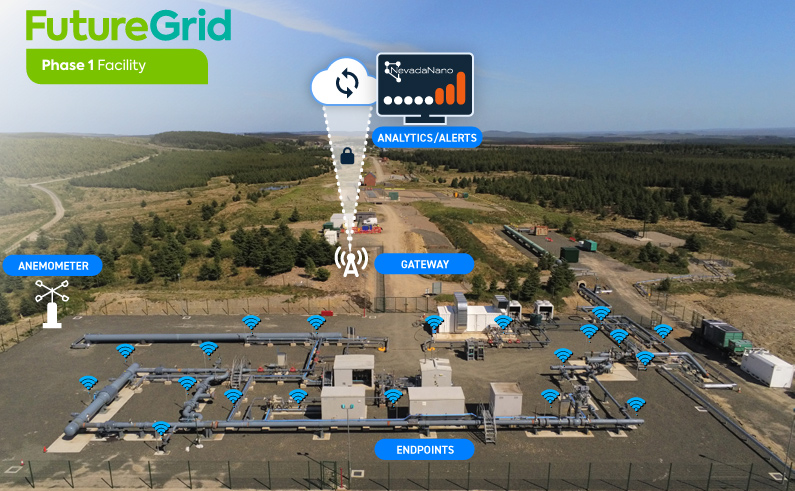
NevadaNano deployed its EmissionsTrack™ continuous monitoring platform across key areas of the FutureGrid facility to provide real-time emissions detection, localization, and quantification.

The deployment included:
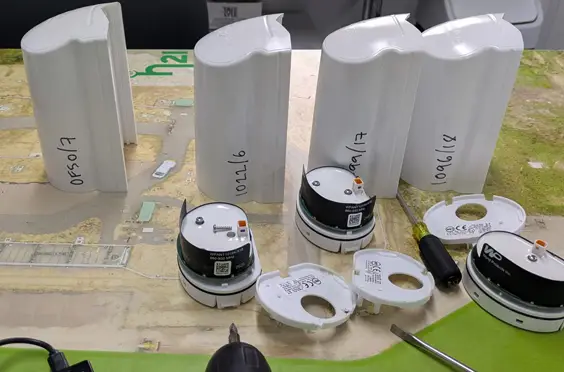
• Wireless LoRa-connected monitoring endpoints configured for hydrogen and methane detection
• Centralized gateway infrastructure for continuous wireless communications and data transfer
• Wind-aware monitoring capabilities to support emissions localization and attribution
• EmissionsTrack™ software visualization tools for continuous data analysis and event tracking

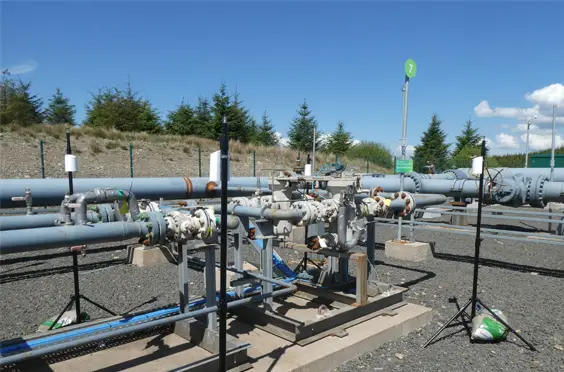
Endpoints were strategically positioned near critical infrastructure components and potential leak locations, including piping systems, valves, compressor-related equipment, and other transmission infrastructure.

Process and Implementation

Case Study National Gas FutureGrid 3 Site

1. Deployment Across FutureGrid Infrastructure

EmissionsTrack™ endpoints were deployed across key sections of the FutureGrid facility, including transmission-style piping, valves, compressors, and associated infrastructure. Installation locations were selected to provide visibility into emissions behavior across methane, hydrogen, and blended gas operating conditions.
Case Study National Gas FutureGrid 2 Site

2. Continuous Multi-Gas Monitoring Activation

Once operational, the system continuously monitored hydrogen (H₂), methane (CH₄), and blended gas environments in real time. Continuous monitoring enabled ongoing detection, localization, and quantification of emissions events across varying gas compositions and operational conditions.
Case Study National Gas FutureGrid 5 Endpoints

3. Wind-Aware Emissions Localization and Quantification

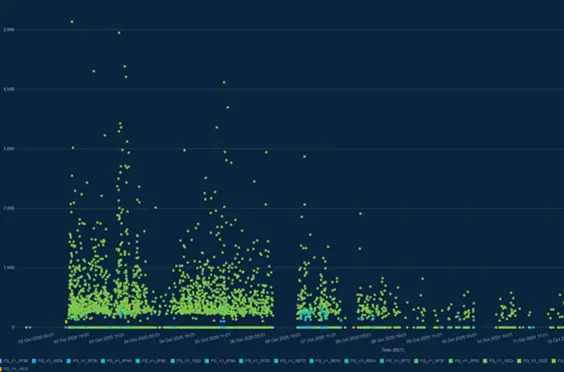
Using integrated wind data and EmissionsTrack™ analytics, the deployment provided real-time insight into emissions source location and emissions trends across the monitored infrastructure. This allowed operators to better understand how emissions dispersed under changing environmental and operating conditions.
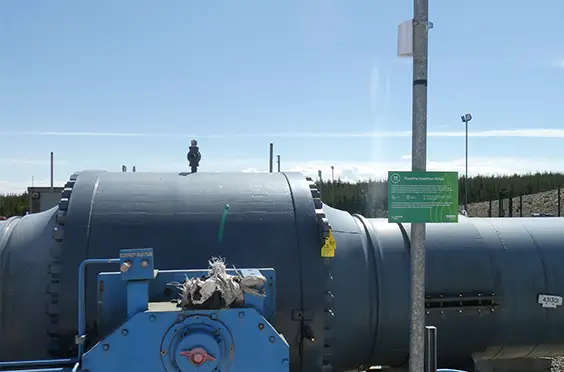
Case_Study_FutureGrid_7

4. Hydrogen Integration Monitoring Readiness

The deployment supported ongoing evaluation of how continuous emissions monitoring can be applied across hydrogen-integrated infrastructure. By monitoring both methane and hydrogen blend environments simultaneously, the system provided operational insight into emissions visibility, infrastructure adaptability, and future monitoring considerations.

Results and Impact

The deployment demonstrated the value of continuous monitoring across hydrogen-integrated infrastructure, providing real-time visibility into emissions behavior across methane, hydrogen, and blended gas environments.

EmissionsTrack™ enabled continuous detection and localization of emissions events across multiple infrastructure types, helping operators better understand how varying gas compositions and environmental conditions influenced emissions behavior throughout the facility.

The deployment also demonstrated the flexibility of wireless continuous monitoring architectures across large-scale transmission-style environments. By combining multi-gas detection with wind-aware localization capabilities, the system provided actionable operational insight across evolving gas network conditions.

In addition, the project supported broader FutureGrid objectives related to hydrogen transition readiness and infrastructure evaluation. Continuous emissions data provided greater visibility into how monitoring technologies may support future hydrogen deployment scenarios across evolving energy networks.

By delivering continuous, high-fidelity emissions visibility across mixed-gas operating conditions, EmissionsTrack™ helped support improved operational visibility, emissions awareness, and more informed infrastructure planning for hydrogen integration initiatives.

Related Case Studies

Landfill Emissions Monitoring: Gas Collection Optimization
Offshore Emissions Monitoring: Persian Gulf Platform
Compressor Station Emissions Monitoring: Permian Basin
Scroll to Top