CASE STUDY

Compressor Vent Emissions Monitoring: Delaware Basin

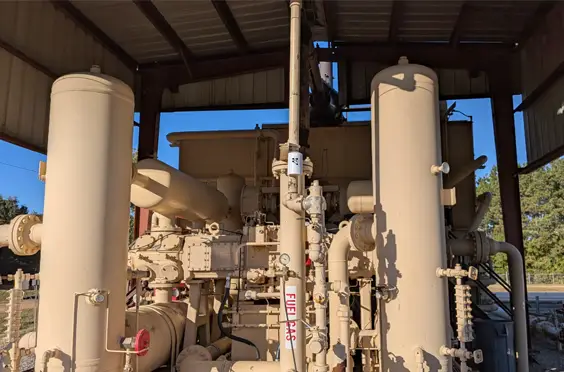
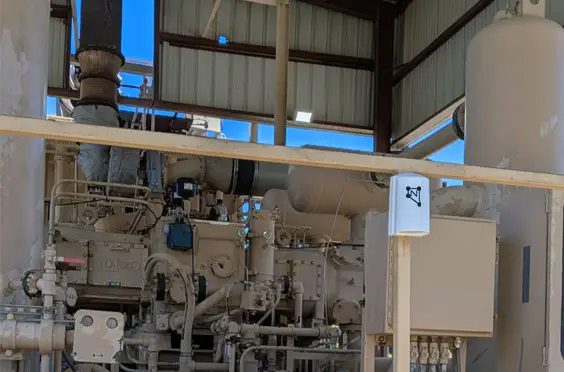
MethaneTrack™endpoint mounted in close proximity to compressor

Overview

Compressors are one of the most critical and emissions-intensive assets across oil and gas operations. As the mechanical “engine” of gas gathering and transmission systems, compressors maintain pressure and enable the movement of gas across infrastructure. Because they are deployed throughout midstream networks at key points in the system, compressors are both widespread and essential.

However, this same importance also makes compressors a major source of methane emissions. Industry studies and regulatory data consistently rank compressors among the top contributors to fugitive emissions due to the number of potential leak points, including seals, valves, vents, and multi-stage compression systems. Recent studies from Colorado State University’s METEC program have identified compressors and compressor drivers among the largest methane emission sources within midstream operations, particularly at gathering and transmission facilities.¹ Emissions behavior at these sites is also highly dynamic, driven by operational load, duty cycles, and environmental conditions.

Traditional monitoring methods often struggle to capture this complexity. Periodic inspections can miss intermittent leaks, while remote detection approaches may lack the resolution needed to isolate emissions to specific components. As a result, operators are often aware of emissions issues but lack the continuous, high-fidelity insights needed to understand root cause and take targeted action.

About the Site

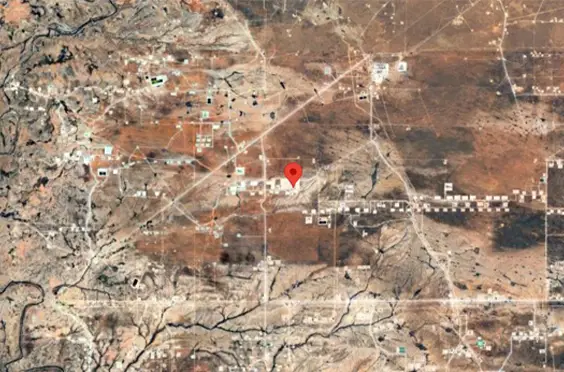
The deployment took place at a large compressor site in the Delaware Basin of southeastern New Mexico, supporting the region’s growing natural gas production demands. The site included ten compressors operating under varying load conditions, with emissions sources distributed across high vents, seals, and mechanical components.

Typical MethaneTrack™ deployments at compressor sites include 2 to 4 endpoints per compressor, positioned strategically around:
• Compressor bodies (valves, seals, mechanical components)
• Vent stacks and high-release points

In multi-compressor layouts, endpoints can be shared between adjacent units, leveraging wind data and Leak Source Isolation™ (LSI™) to accurately attribute emissions to specific compressors. This reduces hardware requirements while maintaining precise localization across the site.

Case_Study_Compressors_3

Customer

Midstream Oil & Gas Operator

Region

Delaware Basin, New Mexico

Installation Type

Compressor Station

Product

MethaneTrack™

Asset Monitoring

Compressors, Vent Stacks, Seals, Valves

Gas Type

Methane

Challenges

Monitoring emissions at compressor sites is inherently complex due to the dynamic nature of both the equipment and the emissions themselves. Leak behavior is not consistent, varying based on operational load, pressure cycles, and mechanical condition. Combined with diverse site configurations and limitations of traditional detection methods, this makes accurate, timely detection difficult without continuous, close-proximity monitoring.

Key challenges included:
• Highly dynamic leak behavior driven by load cycles, multi-stage compression, and equipment condition
• Multiple leak profiles, including intermittent venting events and continuous seal or valve leaks
• Intermittent emissions that are easily missed by periodic inspections or mistimed site visits
• Structural variability, with compressors located in enclosed buildings, open-air setups, or partial coverings depending on region
• Limited visibility from traditional methods, which often lack the fidelity to pinpoint exact sources or timing of emissions

NevadaNano's Role

NevadaNano worked with the operator to design and deploy a MethaneTrack™ system tailored to the compressor environment.

This included:
• Defining optimal endpoint placement based on asset layout
• Ensuring coverage across key leak sources (vents, seals, compressors)
• Leveraging LSI™ to enable precise localization across multiple assets

Once the initial deployment strategy was established, the system provided a repeatable blueprint that could be scaled across additional compressor sites. This template-based approach allowed the operator to standardize deployments and expand monitoring without requiring extensive redesign or additional engineering support.

Process and Implementation

Case_Study_Compressors_5

1. Remote Site Design (Digital Planning)

System layout was developed using site data and imagery, eliminating the need for an initial on-site survey. This allowed for rapid planning and reduced upfront deployment costs.
Case_Study_Compressors_1

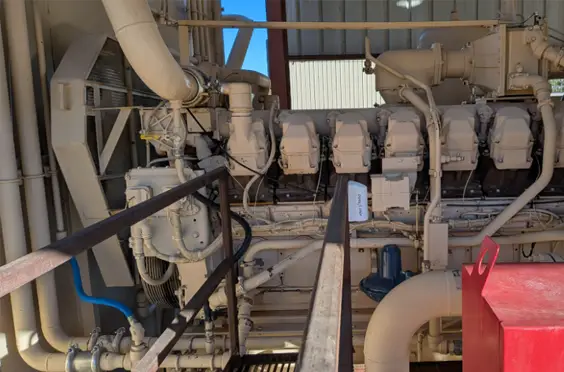
2. Flexible Deployment and Adaptation

Upon installation, the system demonstrated high adaptability:
• Equipment could be repositioned in real time based on actual site conditions
• Unexpected changes (e.g., removed or inactive compressors) were easily accommodated
• Endpoints were reassigned to higher-priority areas without additional hardware

This flexibility is critical in oil and gas environments, where site configurations frequently change and site revisits are costly.
Case Study Compressors 2

3. Optimized Coverage Through Endpoint Sharing

For sites with multiple compressors in close proximity:
• Endpoints were shared between units
• Wind data and LSI™ enabled accurate source attribution

This reduced system complexity while maintaining high-resolution monitoring.
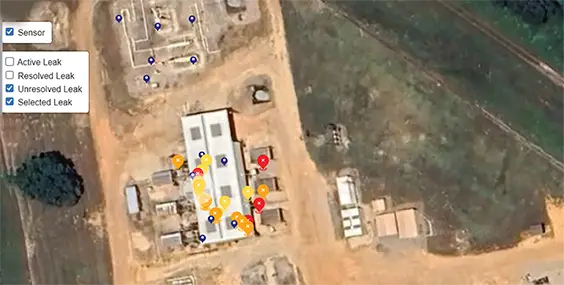
MethaneTrack™ platform displaying locations of multiple emission events

4. Continuous Compressor Emissions Monitoring

MethaneTrack™ provided continuous, real-time data across all monitored assets, capturing:
• Emission events as they occurred
• Variations tied to operational cycles
• Patterns over time
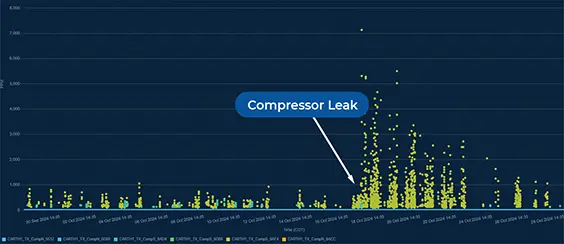
Real-time emission event data

5. Data-Driven Inspection Strategy

Operators used historical data to:
• Identify when emission events typically occurred
• Dispatch technicians at the correct time
• Avoid wasted site visits

This significantly improved the efficiency of follow-up inspections and repairs.
Results and Impact

MethaneTrack™ provided the operator with a significantly higher level of visibility into compressor emissions, delivering continuous, high-fidelity data that revealed when leaks were occurring, where they originated, and how they behaved over time. This level of insight allowed operators to move beyond simple detection and better understand the underlying drivers of emissions, including correlations with compressor load, operational cycles, and specific equipment components.

With precise localization and historical data available, maintenance efforts became more targeted and effective. Technicians could be deployed at the right time and directed to the exact source, reducing wasted inspections and accelerating repairs. Over time, this enabled better root cause analysis, smarter allocation of maintenance resources, and more informed decisions around equipment upgrades or replacement, ultimately improving operational efficiency while reducing emissions.

References:
¹ Colorado State University METEC Program, “Evaluating Development of Empirical Estimates…”, 2024.

Related Case Studies

Landfill Emissions Monitoring: Gas Collection Optimization
Offshore Emissions Monitoring: Persian Gulf Platform
Compressor Station Emissions Monitoring: Permian Basin
Scroll to Top