From controlled methane releases to independent field evaluations, NevadaNano puts MethaneTrack™ to the test in challenging real-world conditions. These testing programs help validate detection accuracy, reliability, and performance across a wide range of operating environments.
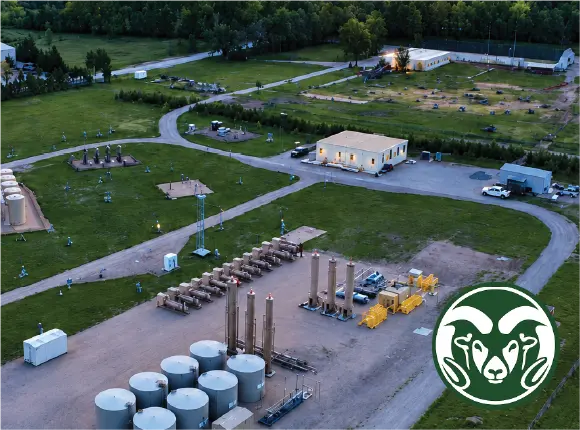
MethaneTrack™ is deployed across all equipment types at METEC, from wellheads to storage tanks, to evaluate performance at leak rates from 0.1 to 25 kg/h under varying release durations and operating conditions. Endpoint detectors operated through temperatures of −15°C to 45°C, humidity of 5% to 100% RH (including condensation), and winds up to 25 m/s (56 mph), as well as snow and rain events.
90%+ PoD ≥ 0.6 kg/h leaks | 0 false positives
Based on a 12-week blinded METEC study analyzing 93 controlled releases lasting at least one hour. No false positives were observed during the campaign.
Study conditions: −2.4 to 40°C · Wind: 0–15.6 m/s · Humidity: 5.6–100% RH
METEC Testing at a Glance
100M+
Measurements collected
9
Months of testing across seasonal conditions
−15°C to 45°C
Ambient temperature during test campaign
200+
Controlled methane releases
INDEPENDENT VALIDATION IN HARSH ENVIRONMENTS
NGIF Emission Testing Centre (ETC)
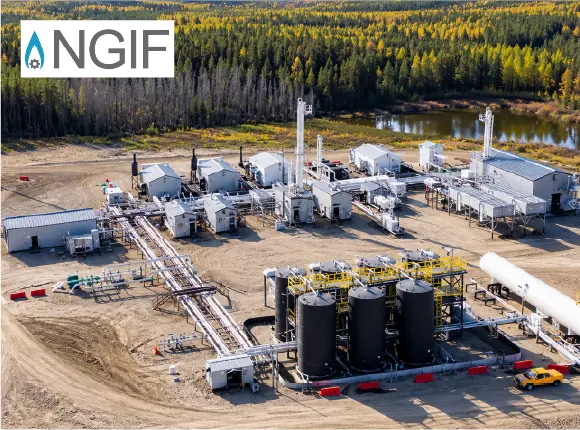
Through the NGIF Emissions Testing Centre program, MethaneTrack™ underwent independent field testing across seven production storage tanks at Tourmaline Oil’s West Wolf Lake Gas Plant in Alberta.
Testing demonstrated its ability to detect intermittent and sustained methane releases, accurately localize emission sources, and perform reliably in harsh winter conditions.
NEVADANANO DEDICATED CONTROLLED-RELEASE SITE
Desert Research Institute (DRI)
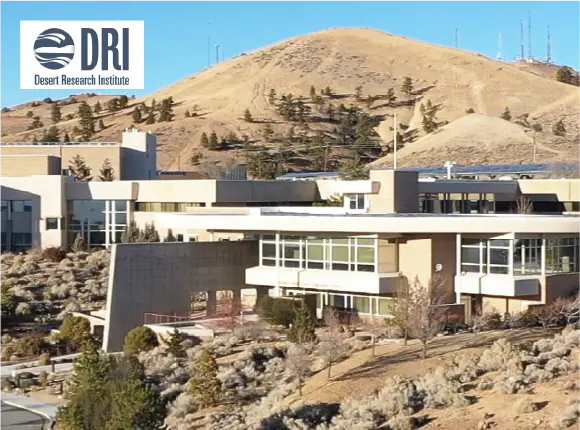
NevadaNano has conducted over two years of controlled-release emissions testing at its Desert Research Institute (DRI) test site to support the ongoing development of MethaneTrack™.
The site supports automated methane releases from 0.06 to 6.0 kg/hr in a setting representative of upstream oil and gas sites. Testing generates datasets across varied sensor arrangements, wind angles, and distances to refine Leak Source Isolation™.