
Orphan and Idle Well Leak Detection
MethaneTrack™ is a low-cost methane emissions monitoring solution for orphan and idle wells. The system establishes an accurate baseline quantification of emissions and continuously monitors wells after they are plugged to verify emissions reductions.
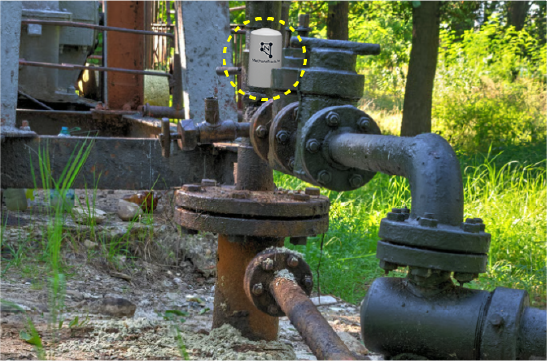
Why Orphan and Idle Wells Require Leak Detection
Orphan and idle wells are a persistent and often invisible source of methane emissions, frequently lacking modern monitoring infrastructure or active oversight. As seals degrade and subsurface pathways shift over time, these wells can leak intermittently or continuously, creating safety risks, long-term environmental impact, and growing regulatory pressure. Without reliable detection and quantification, operators and regulators lack the data needed to prioritize remediation and verify emissions reductions. Effective leak detection provides the foundation for informed mitigation, defensible reporting, and protection of surrounding communities.
Methane Leak Detection for Orphan and Idle Wells

EMISSIONS MONITORING SYSTEM
MethaneTrack™ Continuous Methane Emissions Monitoring Platform for
Orphan and Idle Well Leak Detection (Delete when Apps Template is complete)
MethaneTrack™ is an automated solution for continuous methane emissions monitoring. Pinpoint and quantify leaks in real time, generate compliance-ready reports to support OGMP 2.0, and receive automated emission alerts.

FLAMMABLE GAS SENSOR
MPS™ Flammable Gas Sensor for
Orphan and Idle Well Leak Detection (Delete when Apps Template is complete)
The gold standard in methane gas detection that delivers TrueLEL™ accuracy. Certified intrinsically safe, with a 15-year, calibration-free performance. Trusted by leading OEMs worldwide.
EMISSIONS MONITORING SYSTEM
MethaneTrack™ Continuous Methane Emissions Monitoring Platform for
Orphan and Idle Well Leak Detection (Delete when Apps Template is complete)
MethaneTrack™ is an automated solution for continuous methane emissions monitoring. Pinpoint and quantify leaks in real time, generate compliance-ready reports to support OGMP 2.0, and receive automated emission alerts.
FLAMMABLE GAS SENSOR
MPS™ Flammable Gas Sensor for
Orphan and Idle Well Leak Detection (Delete when Apps Template is complete)
The gold standard in methane gas detection that delivers TrueLEL™ accuracy. Certified intrinsically safe, with a 15-year, calibration-free performance. Trusted by leading OEMs worldwide.
Features
24/7 Continuous Monitoring
Wireless
5-Year Battery Life
Low Cost
.
Automated Reports
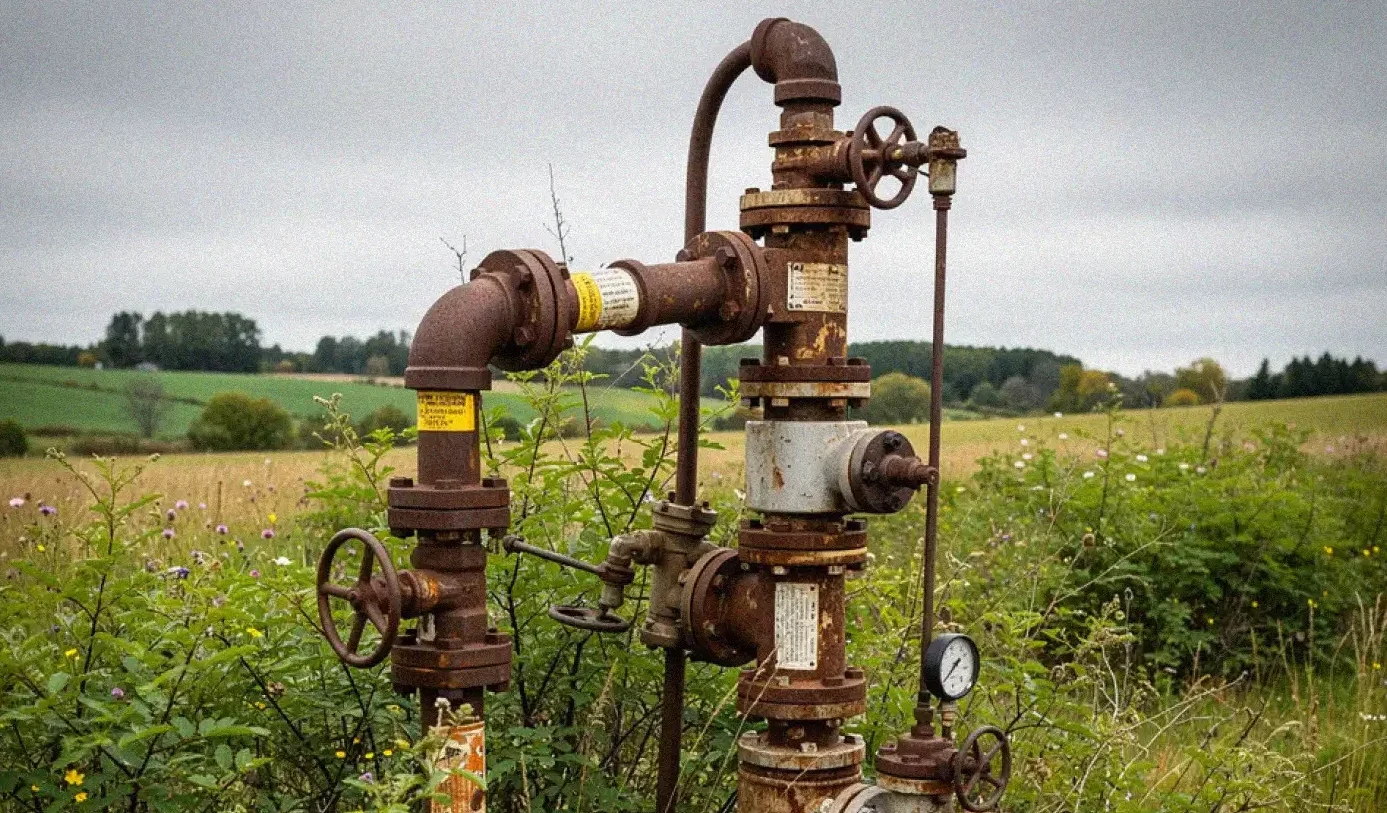
FEATURED CASE STUDY
FAQ About Emissions Monitoring for Orphan and Idle Well Leaks
What makes emissions monitoring for orphan and idle wells challenging?
Emissions from orphan and idle wells are often intermittent, low-level, and highly variable. Leaks may appear only under certain pressure, temperature, or subsurface conditions, making periodic inspections unreliable. In addition, these sites are frequently remote, dispersed across wide geographic areas, and lack power or communications infrastructure—complicating traditional monitoring approaches.
Why is continuous emissions monitoring important for these wells?
Continuous monitoring provides visibility into how emissions change over time, capturing intermittent events that periodic surveys can miss. For orphan and idle wells, this is critical for understanding true emission profiles, identifying escalation risks early, and avoiding under-reporting. Continuous data also supports better prioritization—helping teams focus remediation resources on wells with the greatest impact.
How does emissions monitoring support regulatory compliance and reporting?
Regulatory frameworks increasingly emphasize measurement-based reporting rather than estimates. Emissions monitoring enables defensible data collection to support methane inventories, baseline assessments, and progress tracking. For orphan and idle well programs, this data is essential for demonstrating compliance, validating remediation effectiveness, and supporting funding or grant reporting requirements.
Can emissions monitoring help prioritize remediation efforts?
Yes. By quantifying emission rates and tracking trends over time, emissions monitoring allows operators and regulators to distinguish between low-risk wells and high-priority sites. This data-driven approach helps allocate limited remediation budgets more effectively, reduce overall emissions faster, and improve transparency in decision-making.
Is emissions monitoring practical for remote or unattended wells?
Modern emissions monitoring systems are designed to operate autonomously with low power requirements and minimal maintenance. This makes them well suited for orphan and idle wells located in remote or difficult-to-access areas, where frequent site visits are impractical or costly.